⚡ Fleet Electrification & Cost Reduction Solutions
Thermal Runaway in EV Batteries: Understanding One of the Biggest Safety Challenges in Electric Vehicles
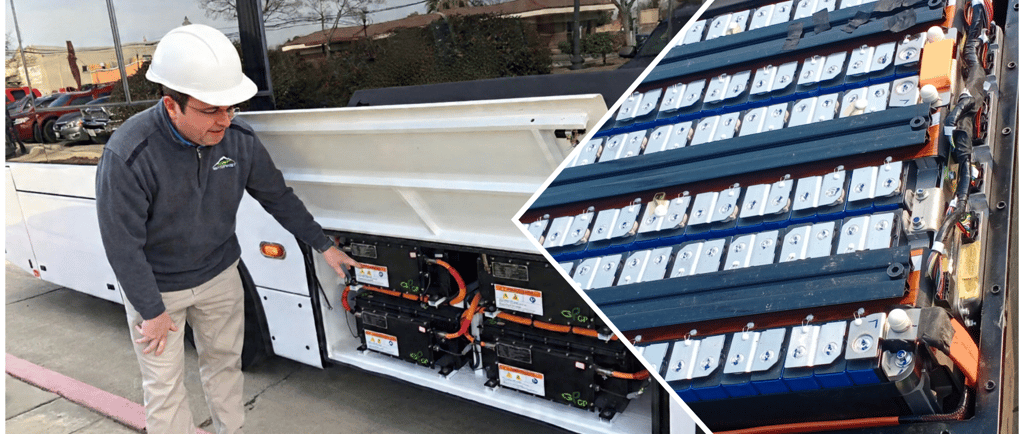
Electric vehicles continue expanding globally, battery safety has become one of the most important topics in the EV industry. Modern EV batteries deliver: High energy density, Fast charging capability, Long driving range and Improved efficiency. However, alongside these advantages comes one of the most critical technical risks in battery systems: The Thermal Runaway! Although thermal runaway incidents are relatively rare, they can become extremely dangerous once initiated because the reaction may rapidly generate: Excessive heat, Toxic gases, Smoke, Fire and Chain-reaction cell failures. As commercial EV adoption increases worldwide, understanding thermal runaway is becoming increasingly important for: Fleet operators, Engineers, Technicians, Emergency responders and Vehicle manufacturers. Battery safety is no longer only a laboratory concern, it is now a critical operational consideration in real world electric mobility systems. What Is Thermal Runaway? Thermal runaway is a self accelerating chain reaction inside a battery cell where increasing temperature causes further internal reactions, generating even more heat. Once the heat generation exceeds the battery’s ability to dissipate heat, the process can rapidly escalate. In simplified form: Q (heat) generated >Q (heat) dissipated When this imbalance occurs, battery temperature can rise uncontrollably. Thermal runaway may eventually lead to: Cell venting, Smoke release, Fire, Explosion risks and Propagation to adjacent cells. In multi-cell battery packs, a single failed cell can potentially trigger neighboring cells, creating a cascading thermal event. "Why Lithium-Ion & NMC Batteries Are Sensitive" Lithium-ion & NMC batteries store very large amounts of energy in compact spaces. This high energy density is one of the main reasons EVs can achieve long driving ranges. However, higher energy concentration also means: Higher thermal sensitivity, Greater heat generation potential and Increased fire risk under failure conditions. Inside the battery cell, thermal runaway can occur when: Internal temperature rises excessively, Chemical stability breaks down, Electrolyte decomposition begins and Internal short circuits develop. The reaction then becomes self-sustaining. Common Causes of Thermal Runaway:- Several conditions can potentially trigger thermal runaway in EV batteries. 1. Internal Short Circuits: Internal short circuits are among the most dangerous battery failure modes. These may occur due to: Manufacturing defects, Separator damage, Mechanical stress, Metal particle contamination and Cell deformation. An internal short circuit can rapidly generate localized heat within the cell. 2. Physical Damage: Battery packs damaged during: Vehicle accidents, Severe vibration exposure, Improper handling and Structural impacts, may develop internal cell damage that increases thermal runaway risk. Commercial fleets operating under harsh environments require particularly strong battery protection systems. 3. Overcharging: Excessive charging voltage can destabilize battery chemistry and increase heat generation. Modern EVs rely heavily on: Battery Management Systems (BMS) to prevent: Overcharging, Over discharging, Voltage imbalance and Unsafe charging conditions. Without proper battery protection systems, thermal instability risk increases significantly. 4. High Ambient Temperatures: Hot climate operations create additional thermal stress on EV batteries. Commercial fleets operating in: Desert regions, Tropical climates and High temperature urban environments. may experience increased battery cooling demands. If thermal management becomes insufficient, battery temperatures may rise to unsafe levels. Thermal Runaway Propagation: One of the biggest concerns in EV battery systems is: Thermal Propagation, When one battery cell enters thermal runaway, nearby cells may absorb heat and also begin failing. This creates a chain reaction throughout the battery pack. The propagation process may continue until: Heat is dissipated, Energy is exhausted, Cooling systems intervene or The affected area becomes isolated. Preventing thermal propagation is one of the most important goals of modern EV battery engineering. Why LFP Batteries Are Considered Safer: Not all battery chemistries behave the same way under thermal stress. One major industry shift is the growing adoption of: LFP (Lithium Iron Phosphate) and Solid state batteries (under development stage). Battery chemistry" Compared to some higher energy chemistries such as: NMC (Nickel Manganese Cobalt) or old Lithium tech batteries. LFP batteries generally offer: Better thermal stability, Lower oxygen release during failure, Reduced fire risk and Improved high temperature performance This is one reason why LFP technology is increasingly popular in: Electric buses, Commercial fleets, Energy storage systems and High temperature operating regions. However, even LFP batteries still require proper thermal management and safety engineering. The Importance of Battery Thermal Management Systems (BTMS): Modern EV battery packs rely heavily on: Battery Thermal Management Systems (BTMS), These systems help: Maintain safe operating temperatures, Distribute cooling evenly, Prevent overheating, Improve battery lifespan and Reduce thermal runaway risk. Battery cooling systems may use: Liquid cooling, Air cooling, Refrigerant-based cooling and Hybrid cooling architectures. Effective thermal management is becoming increasingly critical as: Battery sizes increase, Fast charging expands and Commercial fleet utilization grows. "Fast Charging & Thermal Stress" Ultra-fast charging technology is rapidly advancing across the EV industry. However, higher charging currents can also generate more heat. Battery heating during charging can be approximated by: Q=I*2R where: Q = heat generation I = charging current R = internal resistance. Higher charging power therefore increases thermal management requirements. Future EV development will increasingly focus on balancing: Fast charging capability, Battery longevity and Thermal safety. "How Commercial Fleets Manage Battery Safety" Commercial EV operators increasingly rely on: Real-time thermal monitoring, Remote diagnostics, Predictive maintenance, Battery analytics systems and Preventive inspection programs. Fleet operators are also improving: Driver training, Charging protocols, Cooling system maintenance and Emergency response planning. As commercial EV adoption scales globally, operational battery safety management will become increasingly important. Future Technologies Reducing Thermal Runaway Risks, Battery manufacturers are actively developing safer technologies including: Solid-state batteries, Improved separators, Advanced electrolytes, Ceramic thermal barriers, AI-driven thermal monitoring and Cell-to-pack safety architectures. Future battery systems are expected to become: Safer, More thermally stable, More fault tolerant and Better protected against propagation events. "Final Thoughts" Thermal runaway remains one of the most serious safety challenges in electric vehicle battery systems. Although rare, these events highlight the importance of: Advanced battery engineering, Effective thermal management, Smart diagnostics systems, Proper fleet maintenance practices and Safe charging infrastructure. As electric mobility continues expanding worldwide, battery safety will remain one of the most critical factors shaping the future of EV technology. The long term success of electric transportation will depend not only on improving battery performance but also on ensuring batteries remain safe, stable, and reliable under real world operating conditions, Thank you.
https://www.linkedin.com/in/imtiaz-ahmad-268862230/
Connect
Get in touch for sustainable transport solutions.
Head of Operations (Australia): Mr. Tauqeer Banoori
© 2025. All rights reserved.
Contact: +61 415 605 202