⚡ Fleet Electrification & Cost Reduction Solutions
Why Commercial EVs Are NOT Maintenance Free ?
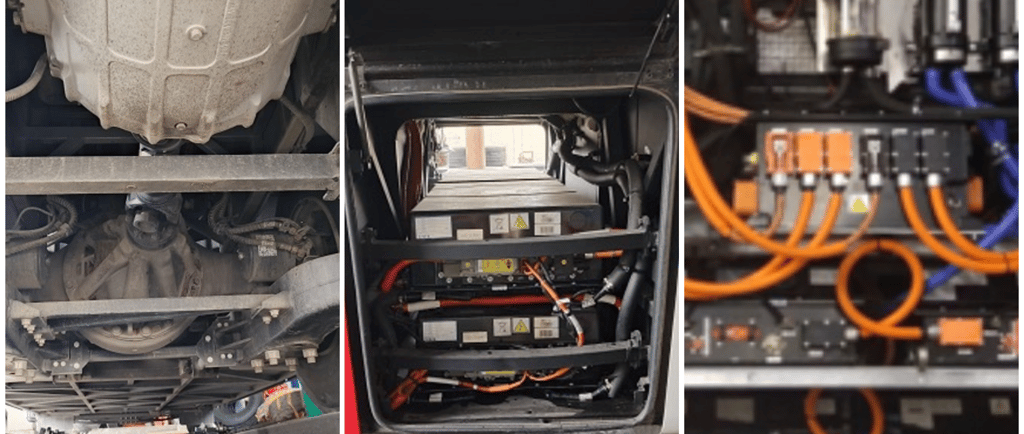
One of the most common misconceptions surrounding electric vehicles is the belief that EVs are completely maintenance free. While electric vehicles generally require less maintenance compared to conventional internal combustion engine (ICE) vehicles. Real world commercial fleet operations reveal a very different picture. In practice, commercial EVs still require structured preventive maintenance programs to ensure operational reliability, safety, efficiency, and long-term durability. Unlike private passenger vehicles that may operate under lighter duty cycles, commercial electric vehicles often work under demanding conditions including: High daily mileage, Continuous operating schedules, Heavy passenger or cargo loads, Extreme ambient temperatures, Dusty or off-road environments and Frequent stop-and-go operations. Under these conditions, maintenance remains a critical part of successful fleet electrification. The key difference is that EV maintenance focuses less on combustion-related systems and more on: Electric drivetrains, Battery systems, Electronics and Thermal management systems. In commercial EV operations, the three most important systems requiring maintenance attention are: Electric motors, Battery systems, Electronic and thermal management systems. EV Maintenance Is Different — Not Nonexistent: - Conventional diesel vehicles require regular servicing for: Engine oil, Fuel filters, Air intake systems, Injectors, Exhaust systems, Turbochargers and Transmission components. Electric vehicles eliminate many of these systems entirely, which significantly reduces routine mechanical servicing requirements. However, reducing maintenance is not the same as eliminating maintenance altogether. Commercial EV fleets still require: Scheduled inspections, Diagnostic monitoring, Thermal management servicing, Electrical system inspections, Mechanical integrity checks and Preventive maintenance planning. Fleet operators who ignore these requirements may eventually face: Reduced battery life, Unexpected breakdowns, Thermal instability, Electronic failures and Increased downtime. 1. EV Motor Maintenance: The electric motor is the primary propulsion component of an electric vehicle. One major advantage of EV motors is their simpler mechanical design compared to combustion engines as electric motors do not require: Oil changes; Fuel system servicing, Spark plugs, Air filter replacement and Complex combustion maintenance. This significantly reduces maintenance complexity. However, commercial EV motors are still subject to long-term operational stress and require periodic inspection. Important Motor Maintenance Areas, Commercial EV motor maintenance may include: Vibration/alignment and base mountings monitoring Thermal condition monitoring and Bearings replacement, Noise analysis, Electrical insulation testing and Cooling system daily inspection or cleaning as they use the same radiators (though small in size than the same power engine) for motor coolant cooling. Over the time, motor bearings remain exposed to: Mechanical wear, Continuous load stress, Contamination, Fatigue and High operating temperatures. In many heavy duty commercial applications, bearing servicing or replacement may become necessary after approximately: 500,000–600,000 km depending on: Vehicle application, Road conditions, Load cycles and OEM recommendations. Early detection of abnormal: Noise, Vibration and Heat generation, can help prevent serious drivetrain failures and costly operational downtime. 2. EV Battery Maintenance: The battery pack is one of the most expensive and sensitive components in any electric vehicle. Modern commercial EV battery systems are equipped with advanced technologies such as: Battery Management Systems (BMS) Temperature sensors, Protection systems, Smart diagnostics and Cell balancing systems. Despite these advanced protections, proper maintenance remains essential for battery longevity, safety, and performance. Battery Thermal Management Maintenance: Battery thermal management systems help maintain optimal operating temperatures. This is especially important in: Hot climate regions, High-load operations, Fast-charging applications and Continuous commercial duty cycles. Most commercial EV battery systems rely on coolant circulation for temperature control. Over time, coolant quality may degrade, reducing thermal efficiency and increasing the risk of overheating. Important Battery Cooling Maintenance Includes: Coolant inspection, Coolant replacement, Leak inspection, coolant top up, Pump functionality checks and Cooling circuit inspections. Proper thermal management plays a major role in: Battery lifespan, Charging performance, Cell stability and Safety protection. Battery Frame & Structural Inspection, Commercial EV fleets often operate under harsh conditions including: Rough road environments, Mining operations, Heavy vibration exposure, Off-road applications and Uneven terrain. These conditions place continuous stress on battery mounting structures and protective assemblies. Routine inspections should include: Battery mounting frames, Structural supports, Protective covers, Sealing systems and High-voltage cable routing. These inspections help identify: Loose mountings, Corrosion, Structural fatigue, Physical damage and Environmental exposure risks. Early detection can prevent future operational and safety issues. 3. Electronics Maintenance:- One of the most overlooked aspects of commercial EV maintenance is electronics servicing. Modern commercial EVs contain multiple electronic systems including: Motor controllers, Inverters, Power modules, Cooling electronics, Communication systems, Protection circuits and DC-DC converters. These systems are highly sensitive to operating temperatures and environmental conditions. "Why Electronics Cleaning Matters:- Dust accumulation and restricted airflow can negatively affect: Cooling efficiency, Ventilation performance, Thermal stability and Electronic reliability. This becomes especially critical in: High ambient temperature regions, Mining environments, Desert operations, Construction sites and Dusty industrial applications. Periodic electronics cleaning and dust removal can help: Improve airflow, Maintain stable temperatures, Reduce overheating risks, Improve long-term reliability and Prevent premature electronic failures. As commercial EV deployment expands globally into more demanding operating environments, thermal management and electronics maintenance are becoming increasingly important. Preventive Maintenance Improves Fleet Reliability. Preventive maintenance is one of the most important strategies for commercial EV fleet management. Proper maintenance programs help: Reduce unexpected breakdowns, Improve operational uptime, Increase battery lifespan, Improve safety, Reduce long-term repair costs and Maintain fleet reliability. Commercial fleet operators increasingly recognize that successful electrification depends not only on vehicle technology, but also on proper maintenance planning and technical support. The Future of Commercial EV Maintenance: As electric mobility technology evolves, maintenance practices will continue advancing alongside: Battery technologies, Smart diagnostics, Predictive maintenance systems, Thermal management solutions, Electric drivetrain engineering. Future commercial EV maintenance will become increasingly data-driven, using: Remote diagnostics, AI-based fault prediction, Real-time thermal monitoring and Cloud-based fleet analytics. However, even with these advancements, preventive maintenance will remain essential for commercial fleet operations. Final Thoughts:- Electric vehicles are transforming the future of transportation and significantly reducing many traditional maintenance requirements associated with combustion engines. However, real-world commercial fleet experience clearly demonstrates that EVs are not maintenance free. The maintenance focus is simply shifting away from: Combustion systems toward: Batteries, Electronics, Thermal management & Electric drivetrains. For commercial fleets, professional maintenance strategies remain essential to ensure: Operational reliability, Battery longevity, Thermal stability, Drivetrain durability and Long-term cost efficiency. The future of electric mobility is not maintenance free — it is maintenance optimized. Thanks
https://www.linkedin.com/in/imtiaz-ahmad-268862230/
5/25/2026
Connect
Get in touch for sustainable transport solutions.
Head of Operations (Australia): Mr. Tauqeer Banoori
© 2025. All rights reserved.
Contact: +61 415 605 202